Al Satwa Traffic Signals: Dubai Junction Changes in 2026
The al satwa traffic signals replace the roundabout on 2nd December Street. Learn what RTA confirmed and how to approach the junction safely.
- 8 min read
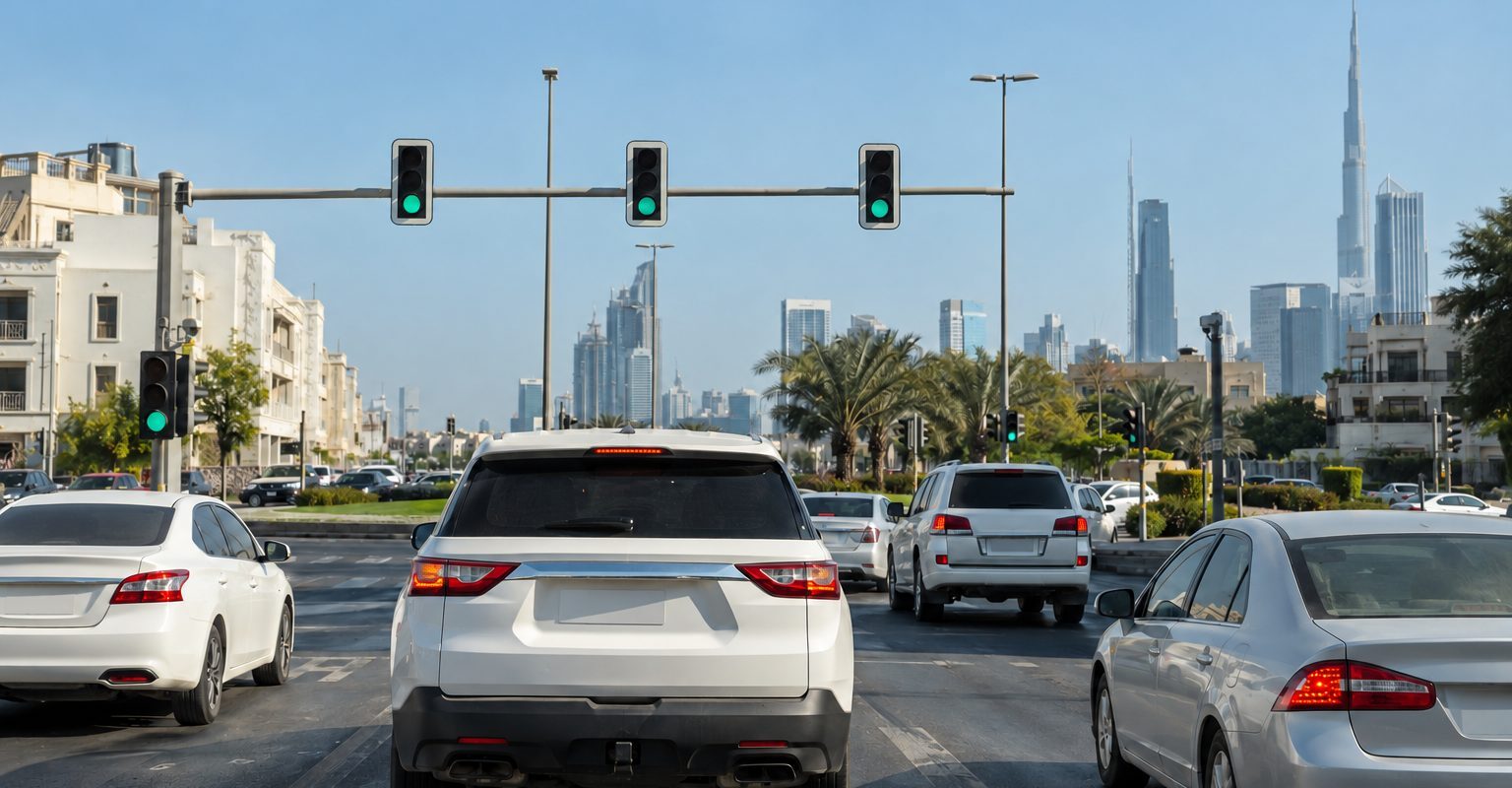
The al satwa traffic signals replace the former roundabout on Dubai’s 2nd December Street. The Roads and Transport Authority (RTA) has announced completion of the conversion to a signalised intersection. Before approaching, check live navigation and follow current lane signs and signals; the published sources do not provide a verified lane-by-lane route plan.
Key facts
- As of October 2026, RTA’s completion announcement is dated 14 October 2026 and identifies the former Al Satwa Roundabout on 2nd December Street: RTA-issued completion announcement.
- As of October 2026, RTA reports a 50% reduction in journey time and up to 60% less waiting and queuing during peak hours: RTA’s reported project results.
- As of June 2025, RTA’s announcement dated 3 June 2025 described the conversion as planned work, rather than a completed junction: RTA’s Al Wasl Road development announcement.
Are the al satwa traffic signals replacing the roundabout?
Yes. RTA says it has completed converting Al Satwa Roundabout into a signalised intersection on 2nd December Street in Dubai.
That means you should approach it as a traffic-light-controlled junction, not assume the former roundabout arrangement still applies. However, the completion announcement is not a detailed driving diagram.
The distinction matters when you search for directions. Older photographs, descriptions and route advice may still show the roundabout. Similarly, a result using the familiar roundabout name may describe the location without reflecting its current layout.
For the Al Satwa Roundabout new intersection, use the street location and your destination to check that you have found the correct junction. Then follow the controls visible on the road rather than relying on an old description.
Why did Dubai replace its famous Satwa Roundabout?
RTA says the conversion reduces journey times, waiting and peak-hour queues. It also improves bus movement and access into and out of the area.
These are reported project outcomes, not a promise that every trip will take the same amount of time. Your journey still depends on traffic, your approach and your destination.
The announcement also describes improved access to Sheikh Zayed Road. However, it does not establish a specific turning sequence for every approach.
| Topic | Confirmed information | What it means for you |
|---|---|---|
| Junction type | The former roundabout is now a signalised intersection. | Follow the signal controlling your lane, not assumptions about the former roundabout. |
| Reported traffic impact | As of October 2026, RTA reports journey time reduced by 50% and peak-hour waiting and queues by up to 60%, according to its completion announcement and project results. | Treat these as reported results, not guaranteed savings on your trip. |
| Road connections | The junction serves traffic between Al Satwa and the Trade Centre area, with improved access to Sheikh Zayed Road. | Check your destination before choosing an approach. |
| Buses | RTA says the design improves bus movement and area access. | Keep bus movements in mind without assuming a particular bus-lane layout. |
| Unpublished details | The reviewed sources do not establish lane assignments or signal timings. | Use current signs, lane arrows and signals for driving decisions. |
Where is the new Al Satwa traffic signal in Dubai?
The new signalised intersection is at the former Al Satwa Roundabout on 2nd December Street. RTA identifies it as serving traffic toward the Trade Centre and Al Satwa, and in the opposite direction.
The announcement names the Trade Centre, Al Bada’a, Al Jafiliya, Al Hudaiba and Jumeirah among the areas served. It also says the project improves access to Sheikh Zayed Road.
However, those connections do not mean every destination uses the same lane or turn. The sources reviewed do not publish approach-by-approach instructions.
When checking the 2nd December Street Al Satwa junction, match the location with your intended route. This helps avoid confusion with other junctions described locally using the Satwa name.
What should you do before approaching the junction?
Check your route before driving, then read the current signs and signals as you approach. The following steps are practical driving guidance, not an RTA-issued lane plan.
- Confirm that your route passes the former Al Satwa Roundabout on 2nd December Street.
- Check live navigation for your destination and any current route changes before setting off.
- Read the lane arrows and road signs as you approach.
- Follow the traffic signal controlling your lane.
- If you miss your turn, continue safely and reroute when you can do so without distraction.
In particular, avoid choosing a lane solely because you remember how the roundabout worked. Instead, allow the current road layout to guide your approach.
If navigation and roadside instructions differ, follow the signs and signals in place. Rules change, and a route description cannot replace the controls you encounter on the road.
Which lane, signal timing and diversion details are confirmed?
The reviewed sources do not establish a verified lane diagram, signal phase timings, turn-by-turn instructions or temporary diversion plan. They also do not confirm junction-specific camera or enforcement arrangements.
Therefore, this guide does not assign lanes for particular destinations or tell you how long a signal stays green. Publishing those details without reliable evidence could give you the wrong approach.
For Al Satwa traffic changes Dubai drivers encounter on the road, distinguish the confirmed conversion from unverified operational claims. An article can accurately explain the project without knowing every lane movement.
Likewise, the absence of a diversion plan in the reviewed material does not prove that no temporary traffic arrangements exist. Check current navigation before departure and follow any instructions displayed at the junction.
How can UAE Parking help after you reach Al Satwa?
UAE Parking can help with the parking part of your visit, not with choosing a lane through the junction. Its Dubai parking page lists parking zone rates and operating hours.
UAE Parking is an independent, free app for iPhone and Android, plus a website. You can save your plates in the app; those plates stay on your device only.
However, UAE Parking does not take or process parking payments and is not affiliated with RTA. When you choose a parking space, the sign next to the bay is the final word.
Before joining a major highway, check our comparison of Dubai speed limits on five major roads and keep posted limits separate from radar-control values.
Frequently asked questions
Is Al Satwa Roundabout now a traffic signal?
Yes. RTA says it has completed converting the former Al Satwa Roundabout on Dubai’s 2nd December Street into a signalised intersection. Follow the current lane signs and traffic signals rather than the former roundabout arrangement.
Why did Dubai replace Al Satwa Roundabout?
RTA says the conversion reduces journey times, waiting and peak-hour queues, while improving bus movement and area access. These are reported project outcomes, not guaranteed savings for every trip.
Does the junction change affect access to Sheikh Zayed Road?
RTA says the project improves access to Sheikh Zayed Road. However, the reviewed sources do not provide a verified lane-by-lane route, so check navigation and follow current road signs.
Which lane should I use at the new Al Satwa intersection?
The reviewed sources do not establish destination-specific lane assignments. Read the lane arrows and road signs on your approach, then follow the signal controlling your lane.
Bottom line
Al Satwa’s former roundabout is now a signalised intersection, but the announcement is not a turn-by-turn driving guide. Check your route, follow current signs and avoid relying on the old layout. For the parking part of your visit, download the free UAE Parking app for iPhone or Android.